Moving goods from one country to another can look surprisingly simple on paper. A supplier prepares the shipment, a carrier transports it, and the buyer receives the cargo at the other end. In practice, international freight forwarding involves a much wider chain of processes, from choosing suitable transport routes and coordinating carriers to handling shipping documents, customs-related requirements and unexpected delays along the way. For companies trading across borders, managing these processes efficiently can have a direct impact on delivery times, inventory levels and ultimately the cost of doing business. https://www.arijus.lt/en/services/international-freight-forwarding-services
International freight forwarding becomes particularly valuable when supply chains involve several countries, different modes of transport or multiple service providers. A container manufactured and loaded in Asia, for example, may travel by truck to a port, continue by sea to Europe and then move by rail or road before reaching its final destination. Each stage has its own schedules, documentation and operational requirements. The freight forwarder’s role is to coordinate these separate pieces into a workable logistics chain rather than leaving the shipper to manage every participant individually.
What does an international freight forwarder actually do?
A freight forwarder does not necessarily own the ship, aircraft or truck carrying the cargo. Its primary role is to organize transportation and coordinate the parties involved in getting goods from origin to destination. Depending on the shipment and the services agreed upon, this can include arranging collection, booking cargo space, preparing or coordinating documentation, monitoring the shipment and organizing delivery at the destination.
For a straightforward shipment between two established locations, this process can be relatively routine. Things become more complicated when cargo has unusual dimensions, several transport modes are involved or delivery deadlines are tight. Even a seemingly minor change, such as a missed vessel connection, can affect the next part of the route.
This is where experience matters. A freight forwarder should not simply provide a price for moving a container from point A to point B. The company needs to understand how the route works in reality, where delays are likely to occur and what alternatives may be available when the original plan no longer works.
Sea, air, road or rail freight?
There is no single transport mode that is best for every international shipment. Sea freight remains an important option for large volumes of cargo moving over long distances. It generally offers attractive costs per unit compared with air transport, although transit times are considerably longer. For businesses importing full containers of products or raw materials, the difference in transport cost can be significant.
Air freight occupies the other end of the spectrum. It is considerably faster and can make sense for urgent, valuable or relatively lightweight shipments. Electronics, critical spare parts and time-sensitive commercial goods are typical examples. Paying more for transportation may still be cheaper than stopping production for several days because one component has not arrived.
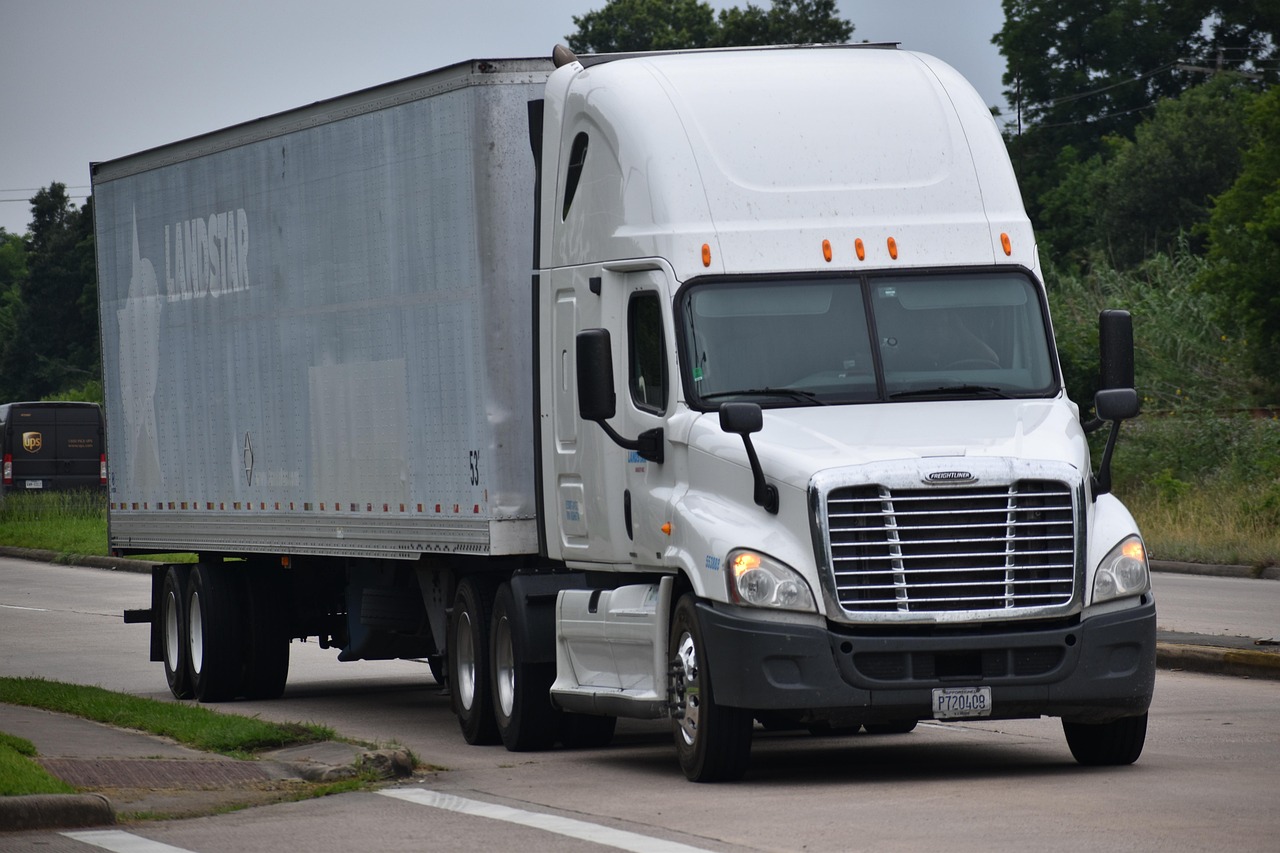
Road freight plays a major role in regional transport and in the first and final stages of many intercontinental shipments. Rail can also provide an alternative on selected corridors. In practice, international freight forwarding frequently combines several of these options. The best route depends on the cargo, budget, destination and required delivery time rather than on a preference for one particular mode of transport.
Full containers are not the only option
A business does not need enough goods to fill an entire shipping container before using sea freight. When volumes are smaller, cargo from several shippers can be consolidated into one container. This allows companies to pay for the space they need instead of booking a full container for a relatively small shipment.
For larger volumes, full-container transportation is usually more straightforward. The container can be loaded for one shipper and transported through the logistics chain without sharing its internal space with unrelated cargo. Which option makes financial sense depends on shipment volume, dimensions, route and current transport conditions.
Similar consolidation principles exist elsewhere in freight transport. For the customer, the important part is getting a quote based on realistic shipment information. Approximate weight and dimensions may be enough for an early estimate, but accurate data becomes increasingly important once transportation is actually being booked.
Documentation is a major part of international shipping
Physical transportation attracts most of the attention because containers, trucks and cargo aircraft are visible. Documentation is less visible but can cause just as many problems.
Commercial invoices, packing lists and transport documents contain information used at different points throughout the logistics process. Depending on the cargo and countries involved, additional certificates, permits or documents may also be required. Customs formalities add another layer when goods cross relevant customs borders.
A small discrepancy can become surprisingly inconvenient. Perhaps the number of packages on one document does not match another, the description of the goods is too vague or important information is missing from the commercial invoice. If this is discovered only after the cargo arrives, resolving it can take time. When the supplier operates on the other side of the world, even getting a corrected document may involve waiting until the next business day.
Experienced importers therefore tend to treat paperwork as part of the shipment itself, not as administration that can be dealt with later.
Freight forwarding and customs clearance are closely connected
International cargo frequently needs to pass through customs procedures before it can continue to its destination. Customs declarations, tariff classification, customs value and the origin of goods may all become relevant depending on the shipment. Certain categories of goods are also subject to additional rules or restrictions.
Freight forwarding and customs brokerage are distinct functions, although logistics providers may offer both or coordinate them through partners. For the customer, having transportation and customs processes aligned can simplify communication. The practical advantage becomes especially noticeable when something goes wrong: the person handling the shipment can quickly identify which documents or information are missing and what needs to happen next.
Importers still need to provide accurate information about their goods. Outsourcing the procedure does not turn an incomplete product description into a good one. When technical products are involved, specifications and other supporting information may be needed to establish the correct details for customs purposes.
Why Incoterms matter more than many first-time importers expect
A common source of confusion in international trade is the question of who is responsible for which part of transportation. A supplier may quote a product price that includes certain logistics costs but not others. If the buyer does not understand the agreed delivery terms, unexpected charges can appear later.
Incoterms are widely used to define important responsibilities between sellers and buyers in international transactions. Depending on the chosen term, responsibility for arranging and paying for particular stages of transportation can shift between the parties.
This matters before the shipment leaves the factory, not after it reaches the destination port. A low product price can become much less attractive once origin handling, international transport, destination charges and inland delivery are added. Businesses comparing suppliers should therefore look at the total landed cost rather than simply comparing prices shown on commercial offers.
Cheap freight can become expensive freight
Price is naturally one of the first things companies compare when selecting a freight forwarder. It should not be the only one. A quotation that is noticeably cheaper may use a slower route, involve more transshipments or exclude charges that appear elsewhere in the logistics chain.
The consequences are not always obvious until the shipment is already moving. If a business needs stock before a major sales campaign, an additional week in transit can cost more than the original freight saving. The same applies to manufacturers operating with limited inventory. Cheap transportation is not particularly cheap if a delayed component stops production.
A useful freight quotation therefore needs context. Businesses should understand the expected route, approximate transit time, what services are included and which costs may be charged separately. Comparing two numbers without comparing the underlying service can give a misleading result.
Tracking helps, but it does not eliminate uncertainty
Digital tracking has changed customer expectations. People are used to ordering something online and checking its progress from a phone several times before delivery. Commercial logistics has also become more transparent, with tracking systems and shipment updates providing businesses with considerably more visibility than in the past.
International freight, however, is not the same as domestic parcel delivery. Ships can encounter schedule changes, ports can become congested, flights can be rescheduled and bad weather can disrupt transportation. Customs inspections and operational issues may create additional delays.
For businesses, the useful question is often not simply “Where is my cargo?” but “When can I realistically expect to use or sell it?” Good logistics communication should help answer that question. A tracking status alone is less useful if nobody explains what a disruption means for the estimated delivery date.
E-commerce has made global logistics accessible to smaller businesses
International sourcing is no longer limited to major corporations with dedicated procurement and logistics departments. A small online retailer can find a manufacturer abroad, order inventory and begin selling it internationally with relatively little infrastructure of its own.
Social media has accelerated this cycle even further. A product can gain attention on TikTok, Instagram or another platform and generate demand much faster than traditional purchasing cycles were designed to handle. Suddenly a business that previously imported a few boxes needs several pallets, and several months later it may be considering its first container.
At that point logistics decisions become more important. Express shipping everything by air may have worked for small volumes, but the economics change as orders grow. Businesses often begin combining transport modes: regular inventory travels by sea while urgent replenishment is sent by air. International freight forwarding becomes less about booking individual shipments and more about maintaining a supply chain that can respond to changing demand.
How to choose an international freight forwarding partner
The lowest rate on a spreadsheet rarely tells the full story. Route coverage and experience with the relevant type of cargo are important, but so are response times and the quality of day-to-day communication. When a shipment is running normally, almost any logistics process can look easy. The difference between service providers becomes much clearer when a vessel is missed, documentation needs correcting or the customer suddenly changes a delivery requirement.
Businesses should also establish what is included in the service. Does the forwarder organize collection from the supplier? Who handles customs formalities? Is final delivery included? How are destination charges presented? Who contacts the customer if the schedule changes? Clear answers before the first shipment usually prevent uncomfortable discussions later.
For regular importers and exporters, continuity has value as well. A forwarder that understands the company’s products, suppliers, usual routes and seasonal peaks does not have to rediscover the same information for every shipment.
Freight forwarding is ultimately about managing the whole journey
The actual movement of a shipment may involve a surprisingly large number of companies: manufacturers, local hauliers, terminals, shipping lines, airlines, customs representatives, warehouses and final-mile carriers. Most businesses have little reason to communicate with every participant themselves.
That is why the value of a freight forwarder becomes clearer as international trade grows more complex. The service is not simply about finding a truck or reserving space on a vessel. It is about coordinating the journey, keeping documentation and transportation aligned and responding when the original plan changes.
For a company making one occasional international purchase, this may be a relatively small part of doing business. For an importer receiving shipments every week, reliable international freight forwarding becomes part of the operating model itself. When it works well, logistics tends to stay in the background: inventory arrives when expected, customers receive their orders and the business can focus on selling rather than chasing containers across several time zones.